

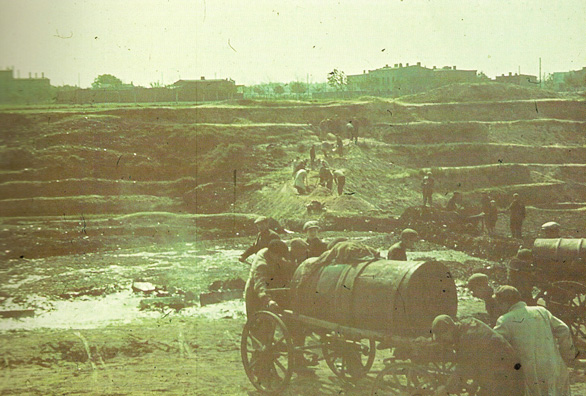
“The ghetto died of starvation. My father's brother, an accountant, died along with his wife and wonderful daughter, a Polish language teacher. She was the last to die. My brother umbrella-maker died, along with his wife and daughter. Another daughter fled to Warsaw and died gassed in Treblinka. My father’s sisters died. The youngest died along with her husband and three children. They died begging on the street. Six grandchildren of my father's oldest sister lingered the longest before they died ... I wrote death certificates for them all.”
Arnold Mostowicz
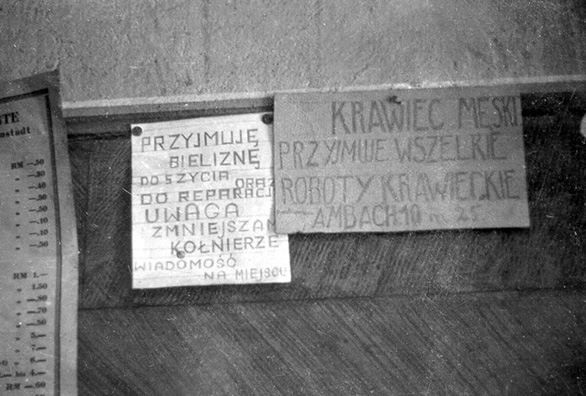
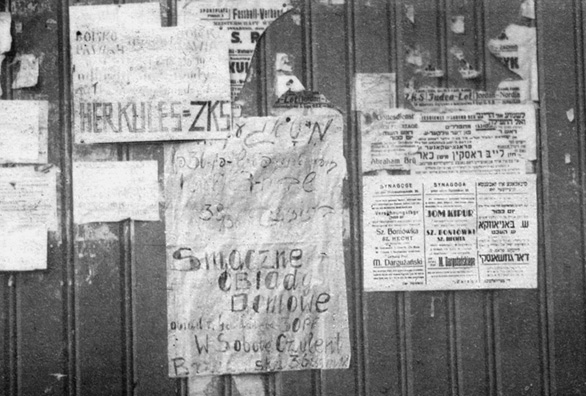
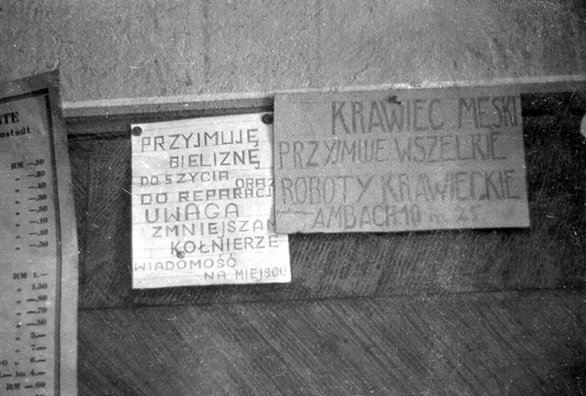
Creating “Jewish closed districts”, the Germans carried out one of the stages of a project the conclusion of which was to be a complete, physical annihilation of the Jewish population. However, already at that stage, the ghetto became a place of indirect extermination by hunger and exhausting work. The Germans themselves called these places “dying camps” or “boxes of death”. During the time the Łódź ghetto operated, that is 4 years and 8 months, 45 327 people died representing more than 24 percent of the population.
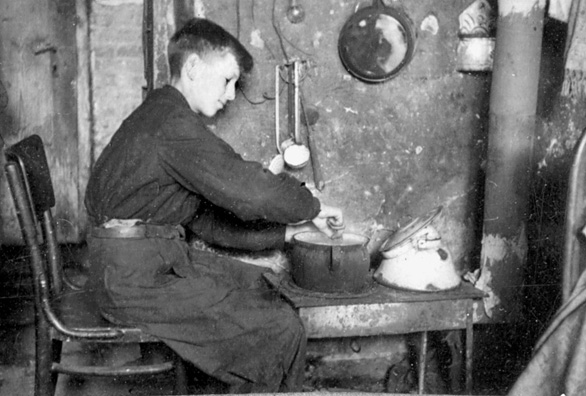
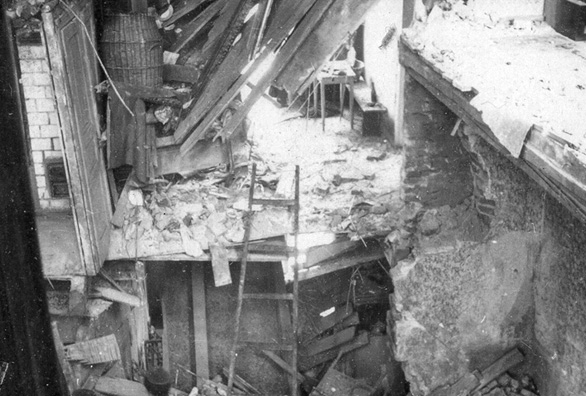
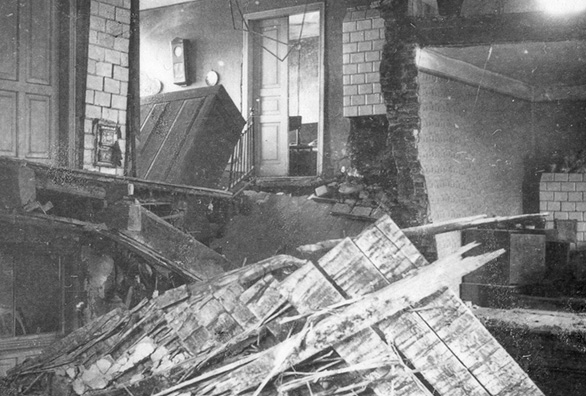
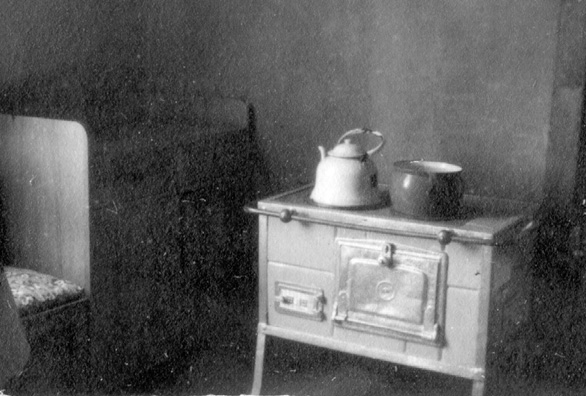
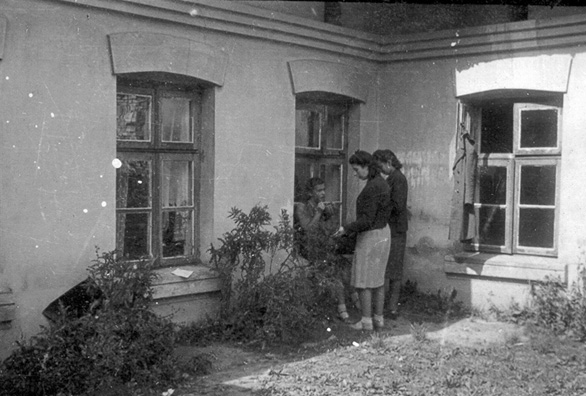
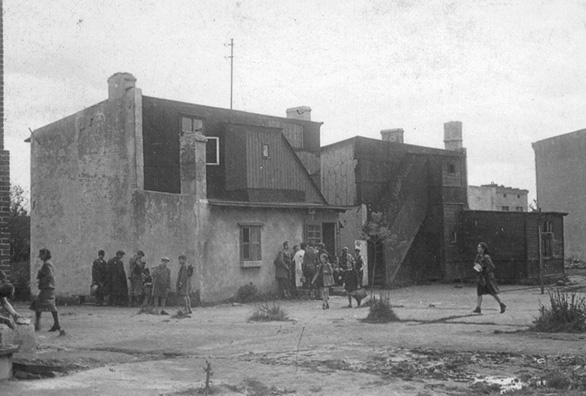
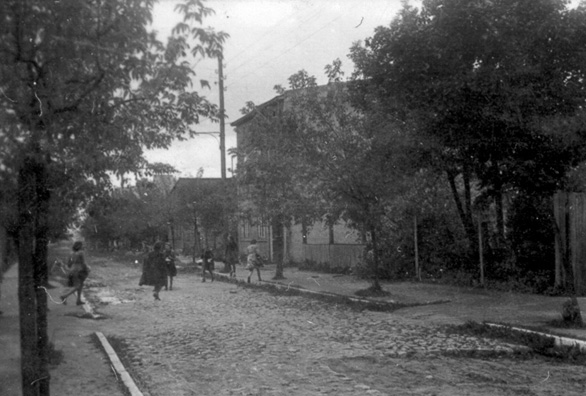
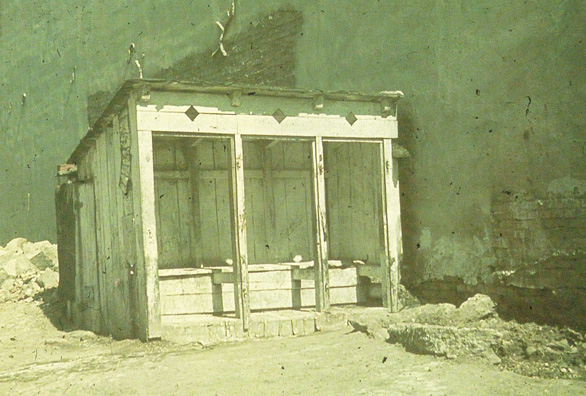
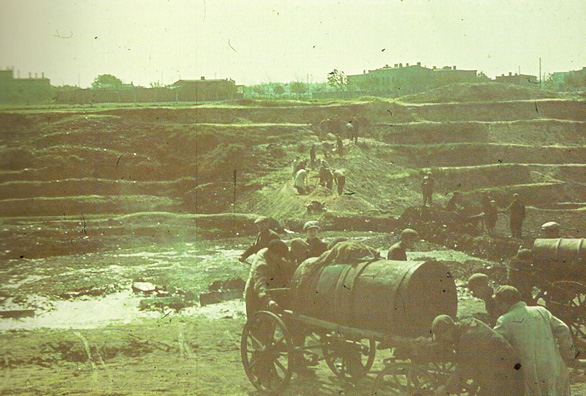
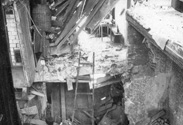
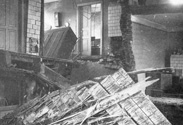
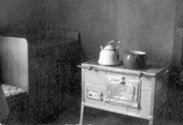
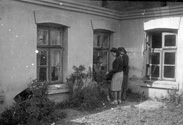
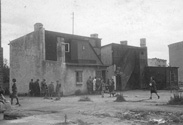
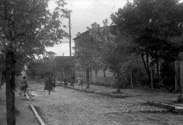
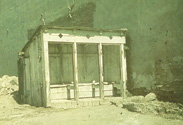
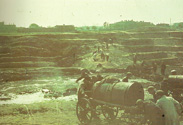
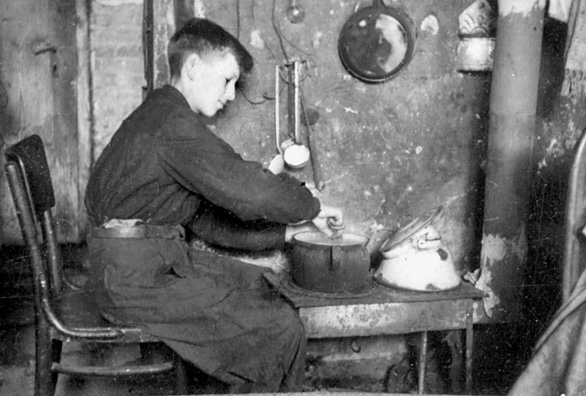
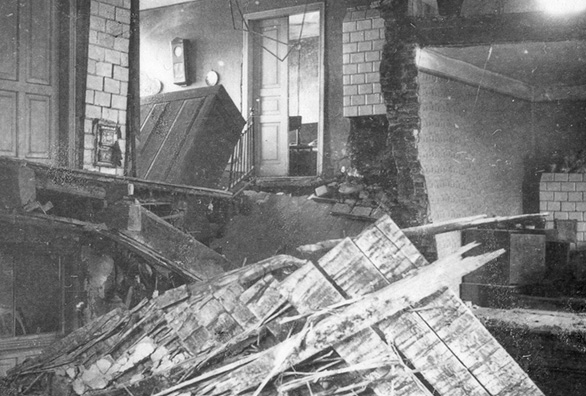
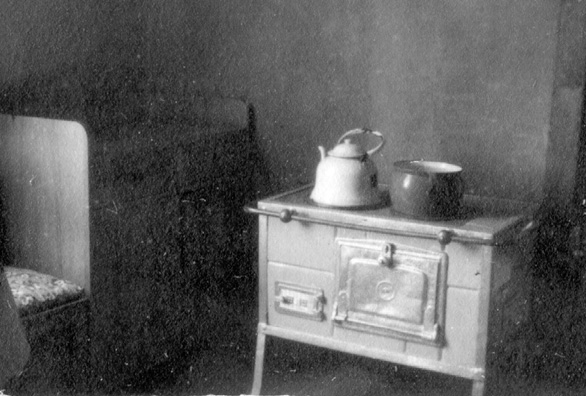
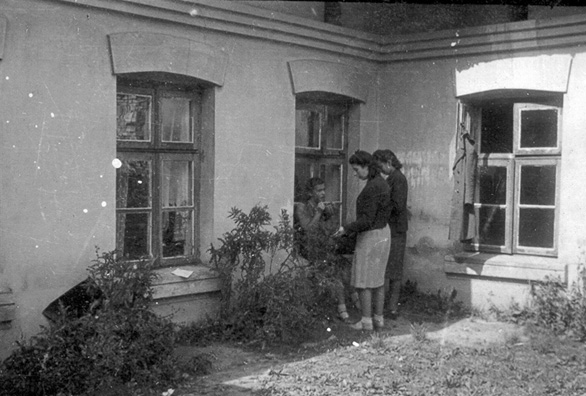
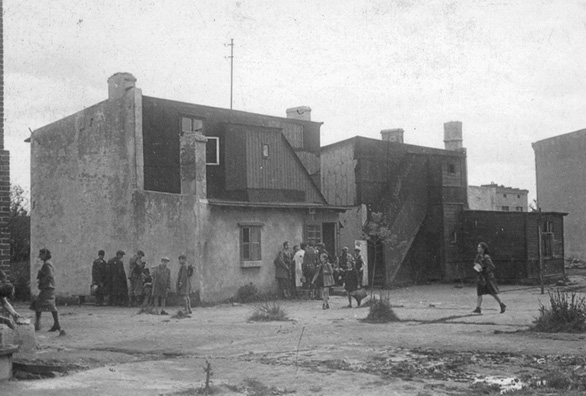
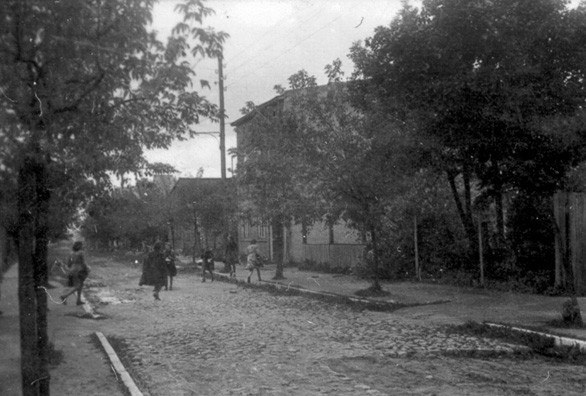
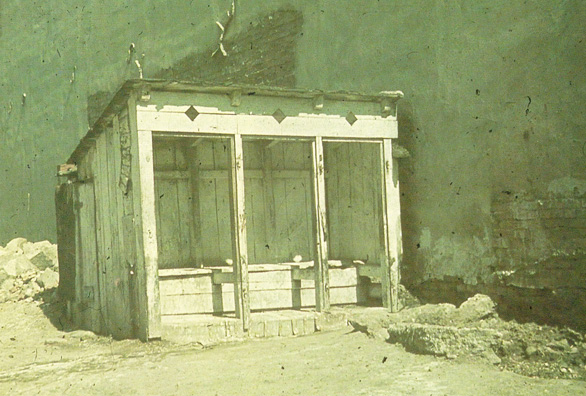
Housing and sanitary conditions were extremely primitive. The districts of Bałuty and part of the Old Town, which made up the ghetto, even before the war were the most impoverished neighborhoods. The buildings were mostly one-story wooden houses, only a few were made of brick, and even fewer had access to sewage system. People were cooped up in small rooms, hot in the summer, and terribly cold in the winter. People lived their lives outside in the yards. Water was drawn from wells, not always potable. Some of them were located too close to waste and toilets. Especially in the first period of the ghetto, cloaca pits and garbage bins were overflowing, even flooding some yards.
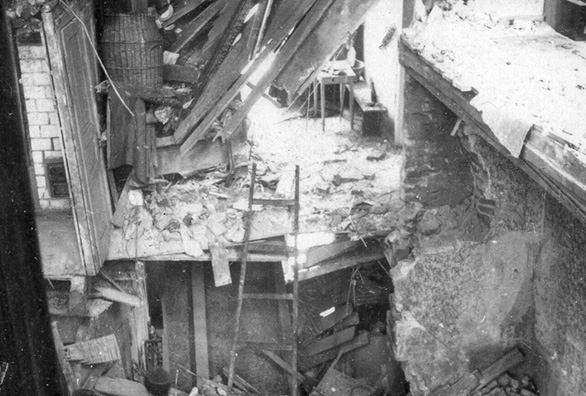
"Our apartment is in a wooden house. On cold days, people break off boards from the wall for fuel, so as not to freeze to death. Wooden privy in the yard and various outbuildings were already demolished long ago. We are afraid that one night our house may be left with no walls or simply fall apart.”
Michał Mosze Chęciński